The Quick Diagnosis
Constant breakdowns in your Zoomlion fleet are a symptom of a failed preventive maintenance (PM) program. Moving from reactive repairs to proactive management requires a technician-focused checklist that addresses the real-world failure points in hydraulic, electrical, and structural systems. Success depends on disciplined execution and having critical wear parts on the shelf before you need them.
Symptoms of a Failing PM Program
- Increased Downtime: Machines are constantly in the shop instead of on the job site.
- Repetitive Failures: The same components (e.g., hydraulic hoses, sensors) fail across multiple units.
- Rising Emergency Repair Costs: Your budget is consumed by expensive, unplanned fixes instead of scheduled service.
- Safety Incidents: An increase in near-misses or accidents related to equipment failure.
- Operator Complaints: Frequent reports of sluggish performance, strange noises, or intermittent faults.
Tools Required
- Multimeter
- Hydraulic Pressure Gauge Set
- Grease Gun (with NLGI Grade 2 Lithium Grease)
- Torque Wrench
- Filter Wrenches (Oil & Hydraulic)
- Basic Mechanic's Tool Set (Wrenches, Sockets)
- Contact Cleaner & Dielectric Grease
Safety Warning
Always follow proper lockout/tagout (LOTO) procedures before beginning any maintenance. Disconnect the battery and chock the wheels. When inspecting hydraulic systems, relieve all system pressure before loosening any fittings. A high-pressure hydraulic fluid injection can cause severe injury or death.
The Technical Guide (Step-by-Step Checklist)
This is a 10-point PM plan. Integrate these checks into daily, weekly, monthly, and annual schedules.
1. Engine Oil and Filter Replacement (IC Models)
- Interval: 250-500 operating hours (check your specific service manual).
- Procedure: Drain engine oil when warm. Replace the oil filter, ensuring you pre-fill the new filter with clean oil to prevent a dry start. Refill engine with the correct grade oil. Refer to your specific service manual for torque values—do not overtighten the drain plug or filter.
- Why it Matters: Neglecting this allows contaminated, broken-down oil to circulate, accelerating wear on bearings and cylinder walls, leading to engine seizure.
2. Hydraulic Fluid & Filter Service
- Interval: Daily fluid level check. Filter change every 500-1000 hours or annually.
- Procedure: Visually inspect the hydraulic fluid level via the sight glass daily. Never open the reservoir cap in a dirty environment. When changing the filter, use a dedicated filter wrench and ensure the new seal is lightly oiled. Use a sealed pour spout to top up with the correct ISO-grade hydraulic fluid.
- Why it Matters: Low fluid causes pump cavitation and overheating. Dirty fluid acts like sandpaper inside your valve block and hydraulic motors, causing internal leaks and component failure.
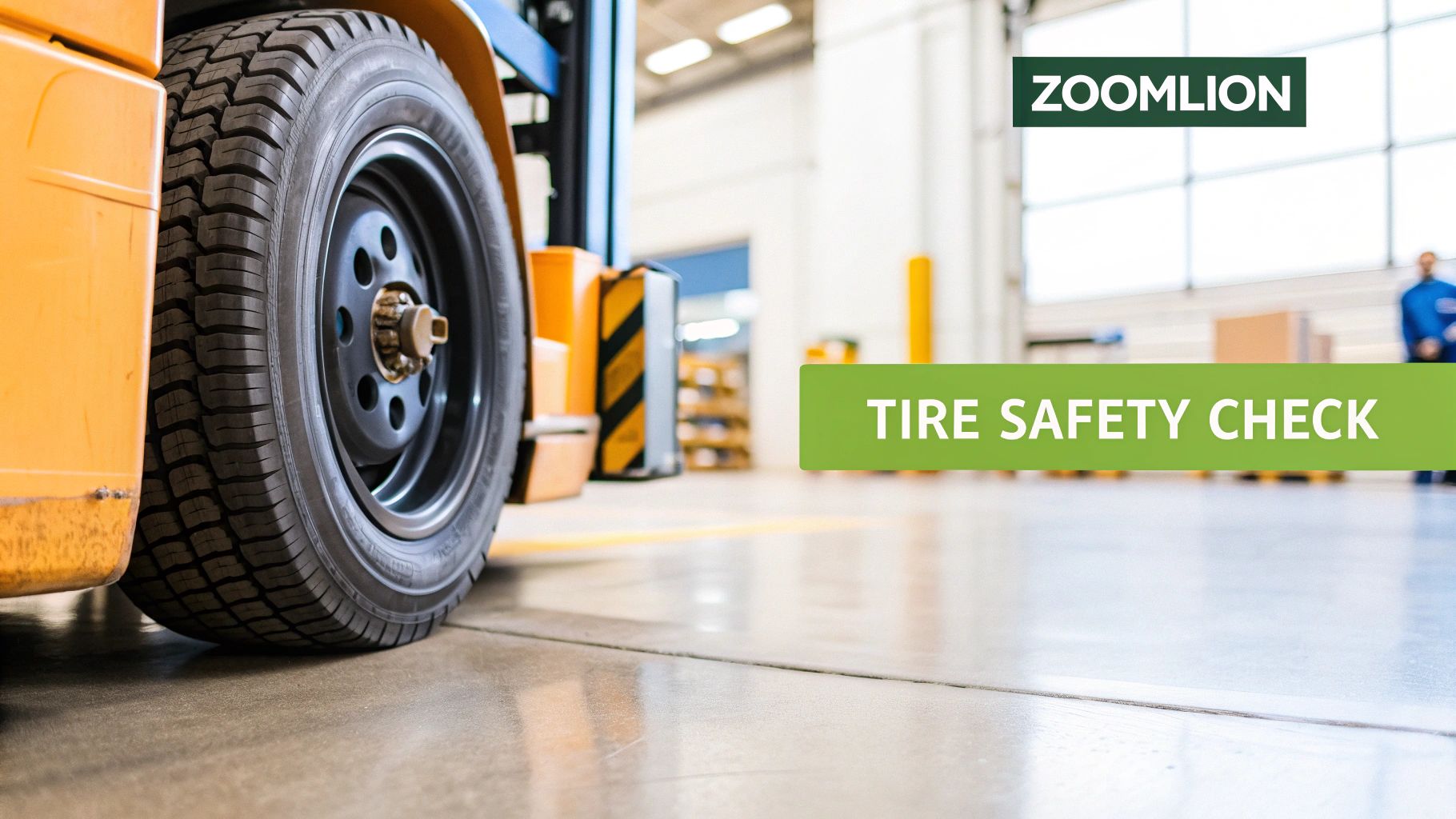
3. Tire and Wheel Condition Assessment
- Interval: Daily visual inspection. Monthly pressure check (for pneumatic tires).
- Procedure: Inspect for deep cuts, chunking, or embedded debris. Check tire pressure on pneumatic models. For solid tires, check for flat spots or separation from the rim. After any tire change, torque lug nuts to the spec in the service manual and re-check after 5-10 hours of operation as the wheel can settle.
- Why it Matters: A failed tire under load can cause a tip-over. Incorrect pressure or wear accelerates damage to drivetrain components.
4. Brake System Inspection
- Interval: Monthly mechanical inspection.
- Procedure: Check brake fluid level and condition. Measure brake pad/shoe thickness. Test for proper function, ensuring the machine stops smoothly without pulling or making grinding noises.
- Why it Matters: This is the machine’s most critical safety system. Worn components dangerously increase stopping distances, violating OSHA standards and risking lives.
5. Battery Health Monitoring (Electric Models)
- Interval: Weekly water level check (lead-acid). Monthly voltage/specific gravity test.
- Procedure: For lead-acid, check water levels and top off with distilled water only after charging. Monthly, check voltage at rest and under load to identify failing cells. Ensure terminal connections are clean and tight.
- Why it Matters: A weak battery cuts runtime, reduces lift power, and puts strain on the entire electrical system. Proper maintenance can extend battery life by years.
6. Safety Interlock & Emergency Control Verification
- Interval: Monthly functional test.
- Procedure: Test every safety device: emergency stop buttons (platform and ground), tilt sensor, gate switch, and limit switches. Document every test with a pass/fail, date, and technician signature.
- Why it Matters: A bypassed or failed interlock creates a silent hazard, exposing operators to tip-over or fall risks. This check is mandatory for ANSI/OSHA compliance.
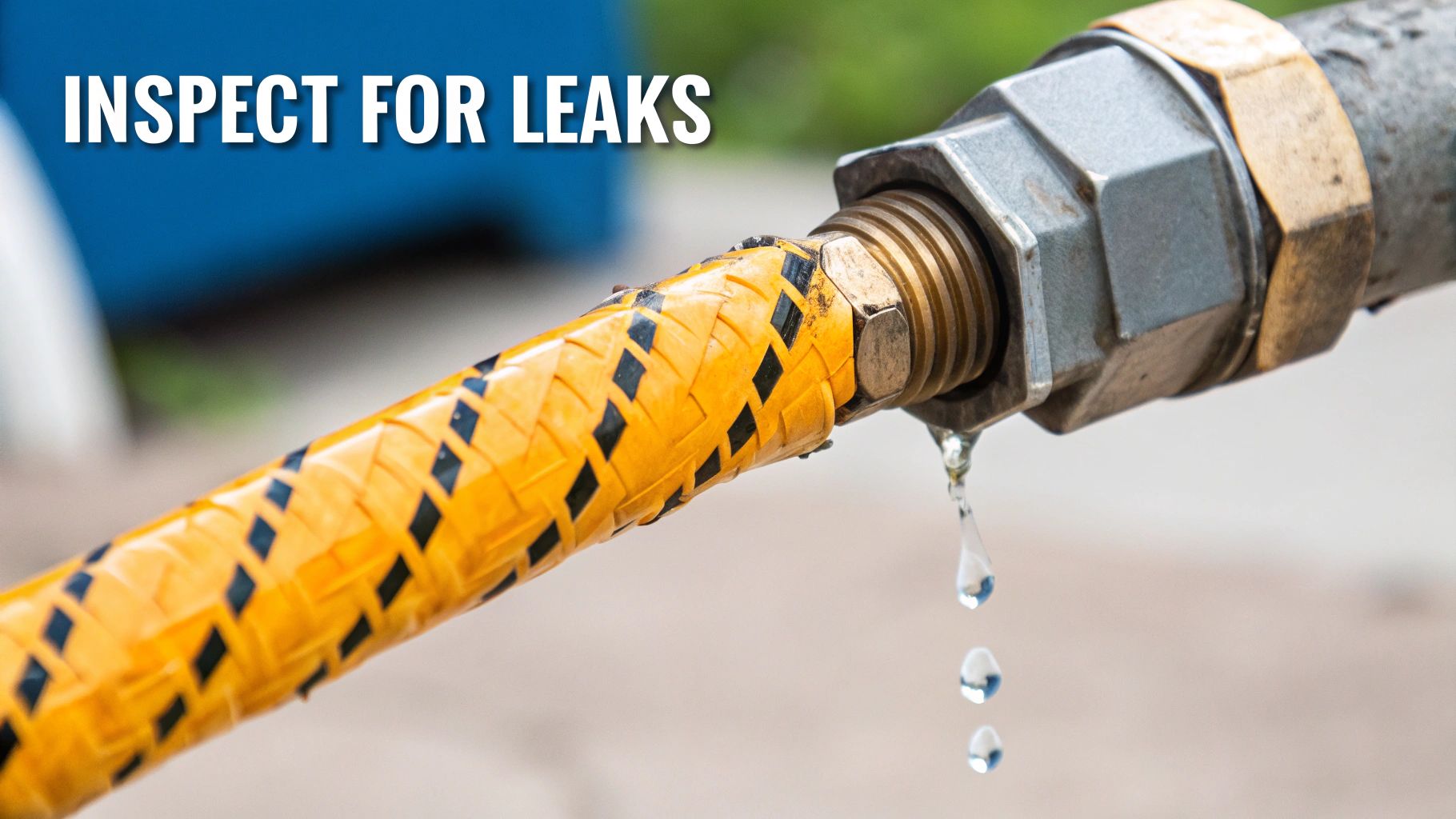
7. Hydraulic Hose and Connection Leak Inspection
- Interval: Weekly visual inspection.
- Procedure: With the system running, visually trace every hydraulic hose from the manifold to the cylinders. Look for wet spots, drips, bulges, or areas where the outer sheath is abraded.
- Why it Matters: A pinhole leak can quickly become a catastrophic failure, causing loss of function and a hazardous, high-pressure fluid spill.
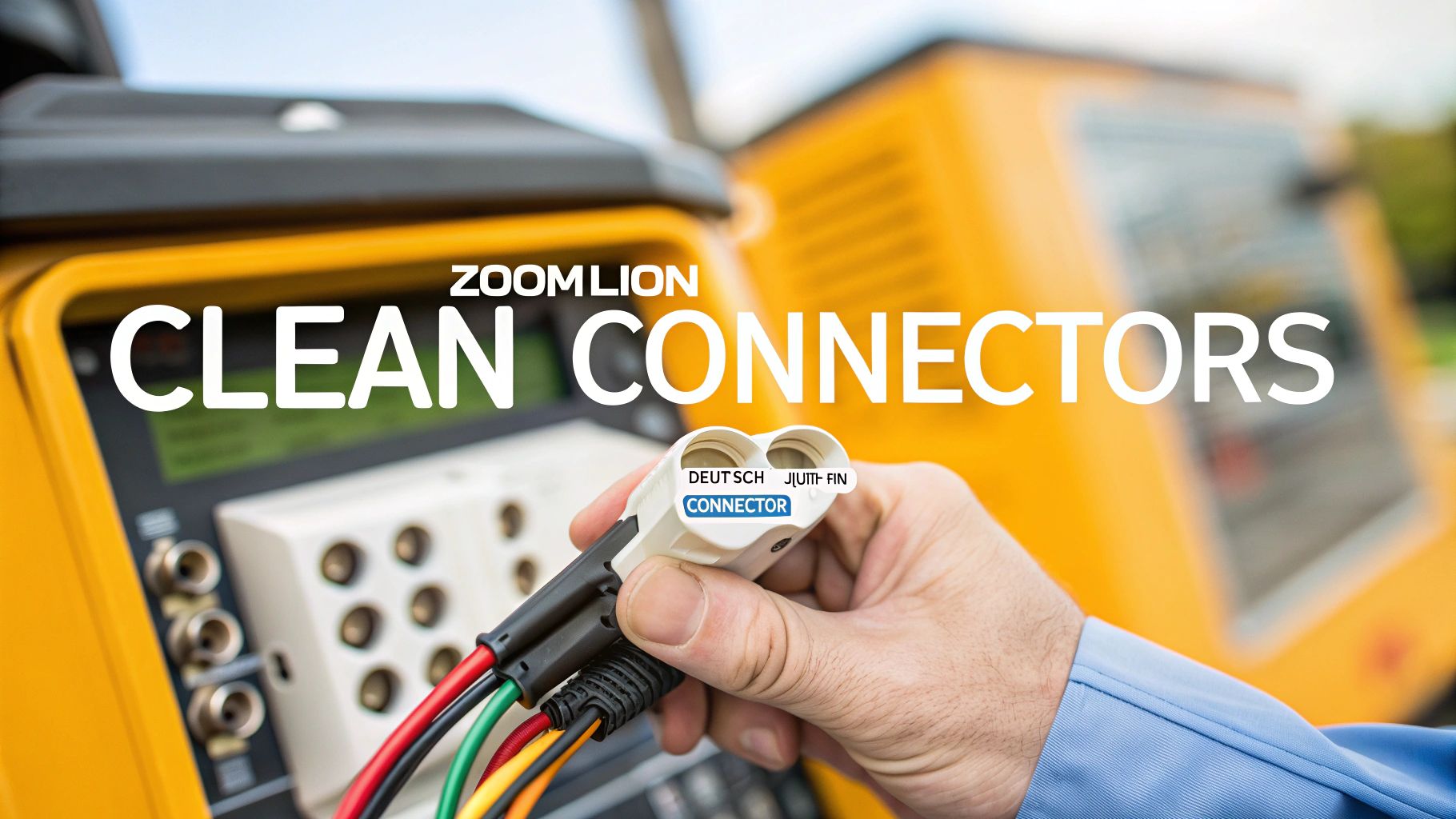
8. Electrical System Connector & Harness Check
- Interval: Quarterly inspection.
- Procedure: Disconnect major harness connectors (joystick, controllers, sensors). Inspect for corrosion or bent pins. Clean with contact cleaner, let dry, and apply a light coat of dielectric grease before reconnecting to seal out moisture.
- Why it Matters: This simple step prevents the intermittent "ghost" faults that are frustrating and time-consuming to diagnose, often caused by moisture intrusion in a single connector.
9. Structural Frame & Weld Inspection
- Interval: Monthly visual inspection. Annual professional inspection on older machines.
- Procedure: Clean and visually inspect all critical welds, especially around boom pivots, lift cylinder mounts, and the main chassis. Look for hairline cracks in the paint or visible metal fatigue.
- Why it Matters: A propagating crack can lead to catastrophic structural failure. Catching it early turns a potential disaster into a manageable repair.
10. Mast & Boom Lubrication
- Interval: Monthly for heavy-use machines.
- Procedure: Identify all zerk fittings on mast channels, pivot pins, and steering knuckles. Clean each fitting before attaching the grease gun. Apply NLGI Grade 2 lithium grease until you see fresh grease extruding from the seal. Wipe away the excess.
- Why it Matters: Insufficient grease creates metal-on-metal contact, destroying rollers and bushings. This causes jerky operation and leads to expensive component replacement.
The Part You Need
An effective PM program fails the moment a technician identifies a worn part but can't get a replacement for weeks. A weeping hose, a failed sensor, or a worn brake pad identified during an inspection must be addressed immediately. China Lift Supply stocks OEM-compatible Zoomlion filters, sensors, joysticks, and hydraulic components in the US to help you avoid the 6-week dealer lead time. This allows you to turn your PM checklist findings into immediate action, keeping your fleet on the job.
Can't wait 6 weeks for this part? We have it on the shelf in Kansas. Check the price and availability here: China Lift Supply.